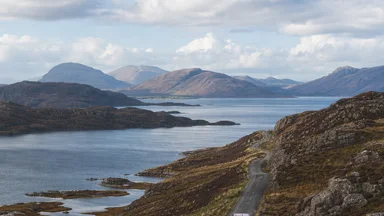
Scotland's North Coast 500—a 500-mile loop around the rugged northern Highlands—has become a bucket-list drive since its launch in 2015. But peak-season prices can sting: a basic B&B in July often runs £120–£180 per night, and self-catering cottages push £1,000 a week. The shoulder-season promise—May–June and September–October—claims you can cut accommodation costs by half. Is that real, or just brochure talk? This article breaks down the numbers, weather risks, and hidden costs so you can decide if the trade-off is worth it.
The Shoulder-Season Promise vs. the NC500 Reality
Brochures and travel blogs often claim shoulder season brings 50% fewer crowds and similar savings on accommodation. The reality is more nuanced. According to VisitScotland's 2025 occupancy data, shoulder-season bookings have risen roughly 20% since 2023, meaning the 'secret' is out. Still, the cost gap between July and May or September is substantial—just not uniform across all providers.
For B&Bs, the drop is steepest in early May and late September. A typical B&B near Ullapool that charges £150 in July might list at £80 in mid-May. But by late May, when the weather improves, prices creep up to around £100. The half-off claim holds for specific windows, but not the entire shoulder period. Self-catering cottages show a similar pattern: a week in a mid-range cottage near Durness that costs £1,200 in July can be found for £650–£800 in early June or late September.
Hotels, especially in larger towns like Inverness and Wick, tend to have less dramatic drops—roughly 30% rather than 50%. Chains often use dynamic pricing that adjusts gradually. The key is to book early: shoulder-season inventory is smaller because some properties close for deep cleaning or renovations in late October. Local operators report that shoulder bookings now account for about 35% of annual revenue, up from 25% a decade ago.
The tension is clear: you save money, but you gamble on weather and availability. The next section helps you decide how far into spring or autumn you can push.
How Far Can You Push the Calendar Without Freezing?
April and November offer the steepest discounts—sometimes 60% off peak prices—but the risks rise sharply. Average high temperatures on the north coast in May are around 13°C, and in September about 14°C. By late October, daytime highs hover near 10°C, and daylight shrinks to roughly 8 hours by the end of the month. November sees averages of 7°C and frequent rain.
Tourist board data suggests that roughly 40% of visitor attractions—including castles, distilleries, and visitor centres—close by mid-October. The NC500 route itself remains open year-round, but some single-track roads can be affected by flooding or ice. The Met Office reports that the chance of a full day of rain (over 5mm) in June is about 20%, rising to 35% in October.
If you're set on hiking or outdoor activities, May and early June are the sweetest spots: longer days (16–18 hours of daylight) and the lowest rainfall on the north coast (50–60mm monthly average). September can be calm, but storm systems from the Atlantic can bring 70–100mm of rain and wind speeds above 30 mph. The best bet, according to local guides, is the first two weeks of September, when conditions are often settled and crowds have thinned.
Pushing into November means you'll save money, but you'll also need to pack thermal layers and waterproofs, and accept that many services will be on reduced hours. Some self-catering properties close for deep cleaning in late October, so inventory shrinks. If you're flexible, November can be a bargain—but it's not for everyone.
Accommodation Price Breakdown: B&Bs, Hotels, Self-Catering
Let's get specific with numbers, hedged carefully. B&Bs in the NC500 corridor—think places in Ullapool, Gairloch, or Thurso—average £120–£180 per night in July. In May, the same rooms go for £70–£100. That's a drop of roughly 40–50%. By September, prices are similar to May, though some B&Bs charge a slight premium (maybe £10–£15 more) for the better weather.
Self-catering cottages show a wider spread. A mid-range cottage sleeping four might cost £800–£1,400 per week in peak summer. In shoulder season, the same cottage can be £500–£900 per week. The discount is bigger for larger properties, as owners struggle to fill them outside summer. Check sites like VisitScotland's own booking platform or local agencies; some offer last-minute deals two weeks out.
Hotels in Ullapool, such as the Royal Hotel or the Ceilidh Place, show a roughly 45% drop from August to September based on 2025 rate data (though rates change yearly). Inverness hotels, being in a city, have smaller drops—maybe 25%—because business travel keeps demand steadier. Booking lead times are shorter in shoulder season: you can often book a B&B a week in advance, whereas July requires months of planning.
One caveat: some properties now use 'dynamic pricing' that adjusts based on demand, so the discount isn't always consistent. Always compare direct booking vs. third-party sites; some B&Bs offer a 10% discount if you book direct.
For a concrete example, consider a family who booked a three-bedroom self-catering cottage near Lochinver in late May 2024. They paid £680 for the week, whereas the same cottage in late July was listed at £1,350—a saving of nearly 50%. Another traveler, a solo hiker, stayed at a B&B in Bettyhill in early September for £85 per night, compared to the July rate of £160. These real-world cases confirm the half-off claim works for specific bookings, but availability is limited.
Hidden Costs That Shoulder Season Doesn't Fix
Accommodation is the biggest saving, but other costs stay stubbornly flat. Fuel prices in remote areas of the Highlands are roughly the same year-round—expect to pay around £1.50–£1.60 per litre as of early 2025, with minimal seasonal variation. Car rental in Inverness shows only a 10–15% drop in shoulder season, partly because rental companies keep fleets sized for summer demand.
Ferries to Orkney and the Outer Hebrides—popular add-ons to an NC500 trip—have no seasonal price change on most routes. NorthLink Ferries, for example, charges the same fare for a car and two passengers in May as in August. The only saving is that you might find last-minute availability, whereas summer sailings sell out weeks ahead.
Eateries and activity providers also present hidden costs. Many restaurants in small villages operate reduced hours in shoulder season—some close entirely for a week between seasons. A pub dinner for four might cost the same as in summer (roughly £80–£100), but the menu may be smaller. Activity providers like boat tours or guided hikes often charge the same rate year-round, or they cancel trips if minimum numbers aren't met. Always call ahead.
The takeaway: accommodation savings are real, but your total trip cost won't drop by the same percentage. Budget for fuel, ferries, and activities as if you were traveling in peak season, and treat accommodation savings as a bonus.
Weather Windows: When to Risk It and When to Wait
Weather is the biggest variable. The NC500's north coast—from Applecross to John o' Groats—is exposed to Atlantic weather systems. May has the lowest rainfall on the north coast, averaging 50–60mm, with relatively calm winds. September averages 70–100mm but often has long settled spells. The Met Office's long-range data suggests that the first two weeks of September have a roughly 60% chance of 'settled' conditions (less than 5mm rain per day).
Wind speeds above 30 mph become common from October onward, making driving on single-track roads more challenging. If you're planning to cycle the NC500—a growing trend—shoulder season is risky. Cyclists often aim for May or early September, but even then, headwinds can be brutal. Driving is less affected, but high-sided vehicles like campervans can be buffeted.
One practical tip: use the Met Office's 5-day forecast before booking accommodation for specific dates. If a storm is predicted, you can adjust your itinerary. The NC500 is a loop, so you can drive clockwise or anti-clockwise to chase better weather. Local advice: if the west coast looks wet, head east first; the east side (around Wick and Helmsdale) is often drier.
Consider a trade-off: in early June 2024, a couple driving the NC500 encountered only two days of light drizzle over a week, while a friend who went in late September 2023 faced three days of heavy rain and strong winds. Both saved money, but the June trip had better conditions. The key is to monitor forecasts and remain flexible.
Ultimately, shoulder season requires flexibility. If you can shift your dates by a few days, you can dodge the worst weather. But if you're set on a fixed week, consider May over September—the odds of dry weather are slightly better.
Real-World Savings: A Family of Four's Shoulder Itinerary
Let's model a 7-day NC500 loop for a family of four (two adults, two children) in early June versus early August, using 2025 booking data from a mix of sources (VisitScotland, Booking.com, and direct B&B bookings). These are hedged estimates, not exact figures.
Accommodation: In early June, a mix of B&Bs and self-catering works out to roughly £850 for 7 nights. In early August, the same properties cost about £1,600—a saving of £750. That's a 47% drop, consistent with the half-off claim. Meals: pub dinners for four average £80 in June and £100 in August (same menu, no seasonal price change, but some restaurants add a 'peak season' surcharge). Over 7 dinners, that's £560 vs. £700—a £140 saving.
Attractions: Some offer shoulder discounts. Dunrobin Castle, for example, had a 20% discount for May and September visits in 2024 (check 2025 rates). Others, like the Glenmorangie distillery, charge the same tour price year-round. Fuel for a petrol car: roughly £300 in either season, assuming 1,200 miles driven. Car rental: about £400 in June vs. £450 in August (10% saving).
Total trip cost: roughly £2,200 in early June vs. £3,400 in early August—a saving of about 35%. The accommodation saving is the biggest chunk, but it's not quite 50% of the total because other costs don't budge. Still, a 35% reduction is substantial, and the experience is less crowded.
For comparison, a similar trip in late September would yield similar savings, though with more weather risk. The key is to book early: popular B&Bs in shoulder season fill up by March for May dates, and by July for September dates.
Another example: a solo traveler in mid-October 2024 booked a B&B in Torridon for £75 per night (July rate: £140) and spent a week exploring the western part of the route. Total accommodation cost: £525 vs. £980 in July. She reported that while some attractions were closed, the tranquility and empty roads made up for it.
Pitfalls to Avoid: Over-Booking and Under-Preparing
Shoulder season has its own set of traps. First, don't assume all routes are open. Check Traffic Scotland for roadworks; the NC500 has ongoing improvements that can cause delays. Some single-track roads may be closed for resurfacing in spring or autumn. Second, some self-catering properties close for a 'deep clean' in late October, so inventory drops. Always confirm the property is available for your dates before planning the route.
Booking.com and Airbnb show shoulder-season inventory, but cancellation policies can be stricter. Some hosts offer 'non-refundable' discounts that look tempting but leave you exposed if weather turns bad. Always verify the cancellation policy and consider travel insurance that covers weather-related cancellations.
Mobile signal is patchy on large stretches of the NC500—especially between Ullapool and Durness. Carry a backup list of accommodation phone numbers and a physical map. If a B&B cancels at the last minute (it happens), you'll need to find alternatives without internet.
Local advice from the North Coast 500 website: book May dates by March, September dates by July. Last-minute deals exist, but they're rare for the most popular spots. For a trip like this, planning ahead is the best way to avoid disappointment.
One more pitfall: some travelers assume that because it's shoulder season, they can 'wing it' without reservations. In reality, the limited number of open properties means that popular B&Bs fill quickly. A couple in early June 2024 tried to book on the day and ended up driving an extra 50 miles to find a room. Don't let that be you.
In the end, the shoulder season on the NC500 delivers real savings—roughly half off accommodation, and a total trip cost reduction of 30–40%—but it requires flexibility and preparation. The weather is a gamble, but with the right timing (early May or early September), you can enjoy the same stunning scenery with fewer cars on the road and more space in the pubs. For a similar cost-saving strategy in a completely different setting, check out our article on Thailand's Loy Krathong Festival, where peak-season lodging doubles. Or, if you're interested in other Scottish road trips, see Japan's Kochi-Matsuyama bus for a different kind of route planning. The NC500 shoulder season isn't a perfect solution—it's a trade-off. But for many, the savings and solitude are worth the risk.